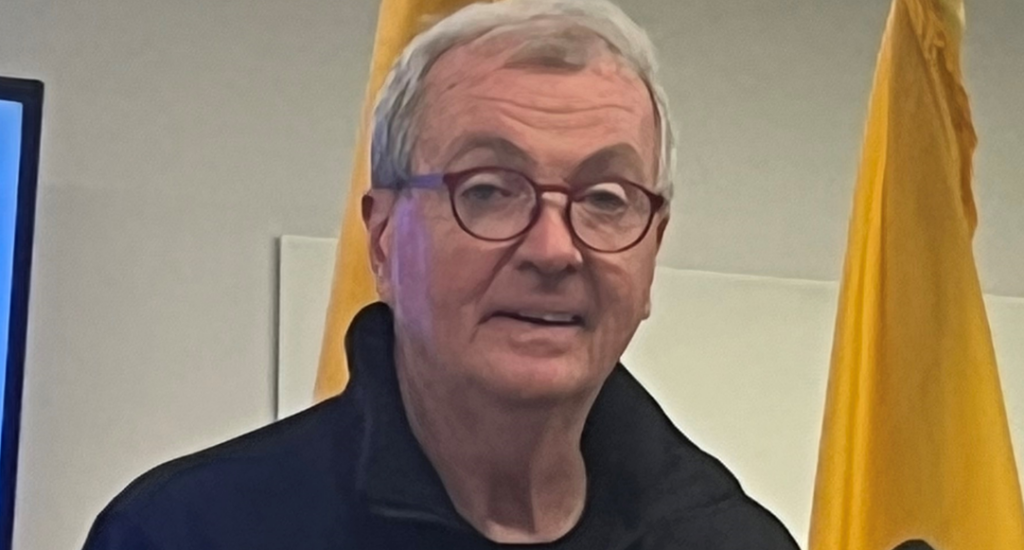
Governor Murphy Announces Zero-Emission Vehicle Report to Accompany Strategic Investments
December 17, 2025, 5:49 pm | in
TRENTON – Governor Phil Murphy today highlighted investments in decarbonizing and electrifying the transportation sector, based on recommendations outlined in the New Jersey Zero-Emission Vehicle (ZEV) Roadmap report. The report outlines the progress achieved, the challenges ahead, and strategies to encourage market transformation and accelerate the adoption of ZEVs.
The roadmap, developed by New Jersey’s Partnership to Plug-in and led by the Governor’s Office, affirms the need to maintain and expand ZEV incentives, enhance ZEV infrastructure installation and reliability, invest in grid upgrades, develop ZEV resources and tools for targeted outreach, prioritize equity and underserved communities, develop a ZEV workforce, and reduce vehicle miles traveled. The roadmap also offers policy options to address various barriers to adoption, including a lack of charging infrastructure and consumer concerns about ZEV range, cost, and convenience.
Governor Murphy has recently made significant investments to demonstrate the Administration’s commitment to affordability, equitable transportation access, and public health, including:
$75.5 million available for Phase 3 of the New Jersey Zero-Emission Incentive Program, administered by the New Jersey Economic Development Authority (NJEDA) for commercial medium- and heavy-duty vehicle electrification.
$25 million available through NJEDA’s NJ ZEV Financing Program for fixed, low-interest loans to commercial vehicle operators.
$50 million that will be available in early 2026 for NJEDA’s Take Charge pilot program to support charging infrastructure for private fleets.
$16 million for NJ TRANSIT electric bus and infrastructure in South Jersey.
“On day one of my Administration, I directed a whole-of-government approach to expand customers’ access to cleaner vehicles and charging ports – improving air quality and supporting a cutting-edge EV market and green jobs,” said Governor Murphy. “In New Jersey, transportation is the largest greenhouse gas emitting sector, with many overburdened communities in New Jersey facing disproportionate environmental and health issues due to pollution. I am proud of the progress we’ve made as part of our broader effort to ensure that affordable and clean energy solutions reach everyone in New Jersey.”
“The Roadmap report is a valuable resource to further strengthen the state’s continued investment in an electric future for New Jersey – one that better protects public health and reduces greenhouse gas emissions that cause climate change,” said Environmental Protection Commissioner Shawn M. LaTourette. “By expanding access to incentives for residents, businesses and communities, and building out critical charging infrastructure, New Jersey is making significant progress toward achieving its emissions reduction goal.”
“New Jersey is a national leader in electric vehicle adoption,” said Christine Guhl-Sadovy, President of the New Jersey Board of Public Utilities. “Since BPU programs began in 2020, EV ownership has grown more than 800 percent. This roadmap charts the course for our continued transition, focusing on expanding charging infrastructure and strengthening our grid. Transportation electrification isn't just about cleaner air – it's an opportunity to address grid capacity needs and help lower costs for all customers by better utilizing our infrastructure.”
“The New Jersey Department of Transportation is committed to developing the charging infrastructure needed to support electric vehicles along major travel corridors in the State,” said NJDOT Commissioner Fran O’Connor. “In addition, we have converted a significant portion of the Department’s light-duty vehicle fleet to hybrid and electric vehicles to do our part to reduce vehicle emissions.”
“The investments taken by the Murphy Administration has helped put hundreds of thousands of new electric vehicles on New Jersey’s roadways, helping reduce greenhouse gas emissions and support our clean energy future,” said NJEDA Chief Executive Officer Tim Sullivan. “Together, the NJEDA’s New Jersey Zero Emission Incentive Program (NJ ZIP), New Jersey Zero Emission Vehicle Financing Program (NJ ZEV), and Take Charge Program, are supporting the expansion of the state’s fleet of zero-emission vehicles, bolstering New Jersey’s green economy, generating new jobs, and creating a cleaner environment for the next generation.”
There were 10,911 electric vehicles registered in New Jersey in 2016, growing to 91,515 by the end of 2022. EV adoption has increased exponentially since then, with over 50,000 EV registrations added in 2024 alone, bringing the total to over 280,000 EVs on the road by November 2025. EVs now constitute over 14% of new vehicle sales, with much of New Jersey’s success driven by robust incentives.
In 2025, the Administration unveiled a One-Stop Shop online interactive tool designed to help residents, local governments, and nonprofits explore funding and grant opportunities for critical green projects, such as homeowners who install a heat pump or a government transitioning to an all-electric vehicle fleet. This interactive tool connects efficiency, electrification, and other sustainability-focused projects with federal, state, and utility funding programs. Based on answers to a few simple questions, the tool will match a project with available incentives and estimate the amount of funding for which a person may qualify.
In 2020, Governor Murphy signed comprehensive EV legislation that establishes goals and incentives for the increased use of plug-in electric vehicles and infrastructure in New Jersey. Additionally, the law requires NJ TRANSIT to move toward zero emission bus purchases by 2032, supporting Governor Murphy’s goal of putting New Jersey on a path to reduce greenhouse emissions 80 percent below 2006 levels by 2050, as codified in the 2020 Global Warming Response Act.
Following the enactment of the EV Law, Governor Murphy announced the New Jersey Partnership to Plug-in, a first-of-its-kind, statewide partnership to build out the necessary infrastructure to support electric vehicles in New Jersey. The Partnership aligns state agency core missions and responsibilities through a Memorandum of Understanding (MOU).
In addition, during Governor Murphy’s administration, New Jersey adopted several vehicle emissions regulations that would require manufacturers to sell increasing percentages of ZEVs across all vehicle sectors.