
Senators Ruiz, McKnight, advocacy groups, unions push to restore funding for NJ Child Care Assistance Program
$30 million budget shortfall has created acute childcare crisis for both families and childcare providers
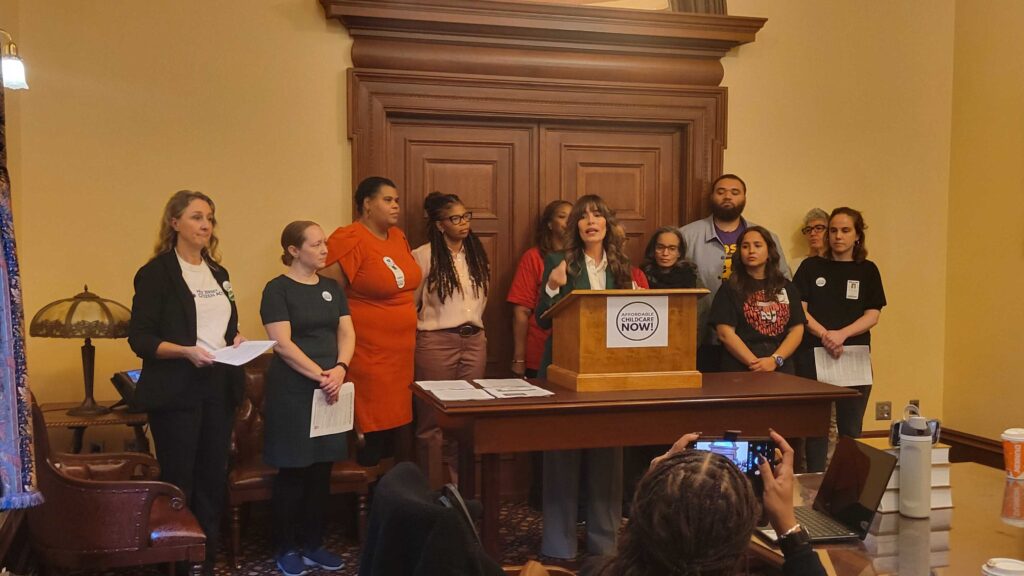
Trenton—November 13, 2025—New Jersey Senate Majority Leader Teresa Ruiz and State Senator Angela McKnight joined advocacy groups, unions, childcare providers, and parents calling for the restoration of funding for the New Jersey Child Care Assistance Program (CCAP). A more than $30 million budget shortfall means there is no funding for new applicants at a time of growing economic hardship, and higher co-pays for families enrolled who are already struggling with surging healthcare, utility, and grocery costs.
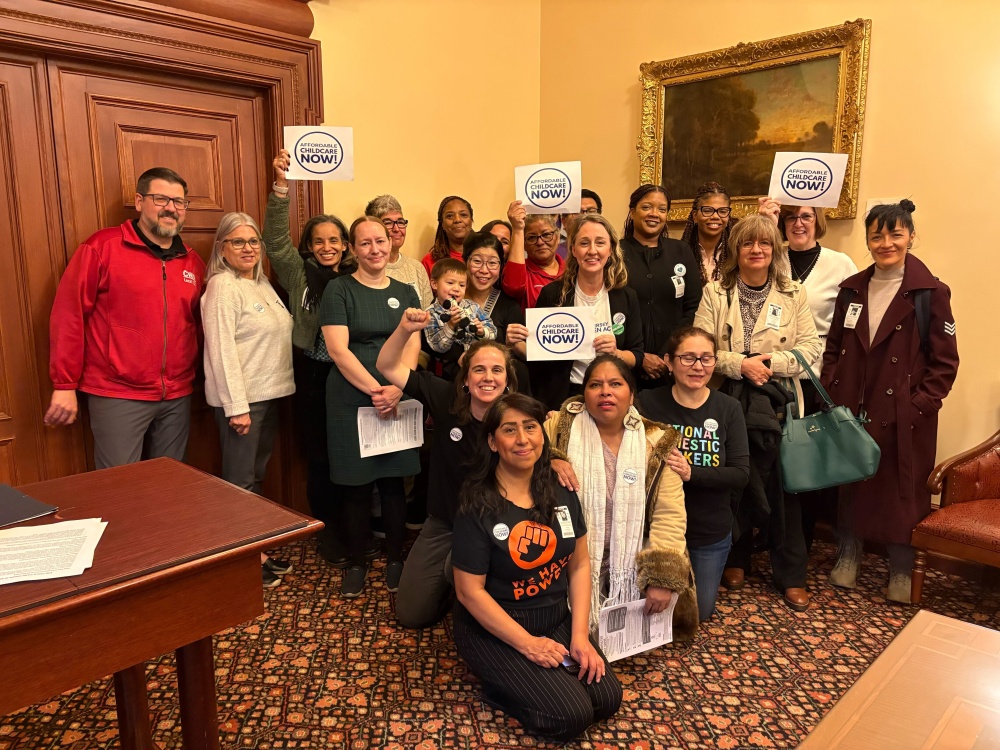 A letter addressed to Governor Phil Murphy, Senate President Nicholas Scutari, Assembly Speaker Craig Coughlin and Governor-elect Mikie Sherrill signed by nearly thirty advocacy groups and unions urged the permanent restoration of “the $30 million and any additional funds needed to sustain CCAP”, noting that the shortfall has created “an immediate crisis that is pushing New Jersey’s lower-income working families to the brink, crippling our early child care providers, and destabilizing the child care continuum all the way from early learning through afterschool and summer programs, threatening the foundation of our state’s economy.”
“Child care is core infrastructure. It strengthens our families and our state, and ensuring it’s within reach for every household is essential to our collective success,” said Senate Majority Leader M. Teresa Ruiz. “The Child Care Assistance Program is a key pillar of this system — relieving financial strain on families and providers, keeping parents working, and providing children with the early learning opportunities that build a strong foundation for their future. It is an investment in human capital — the most valuable investment we can make — and it must be fully funded and reopened to ensure more families have access to the care they need to thrive.”
“As the cost of raising a family continues to climb, affordable child care is becoming out of reach for too many parents,” said Senator Angela V. McKnight. “Without the support of the Child Care Assistance Program, parents are having to choose between their careers and caring for their children, while providers are being stretched thin. This is not sustainable. We must continue to relieve this pressure and invest in the Child Care Assistance Program so parents can work, children can learn, and our childcare system can continue to meet the needs of our communities.”
“We are calling on our lawmakers to take action on Child Care now, “ said Yarrow Willman-Cole, the Workplace Justice Program Director with New Jersey Citizen Action. “We have more than 25 organizations signed on to a letter to the Governor, the Governor-elect and Legislative leadership. We are a movement of people directly involved in and impacted by child care—families, providers, organizers, advocates, and allies—building a racial and gender justice-centered child care system that will meet the needs of our communities. New Jersey must invest in Affordable Child Care and the restoration of New Jersey’s Child Care Assistance Program now.”
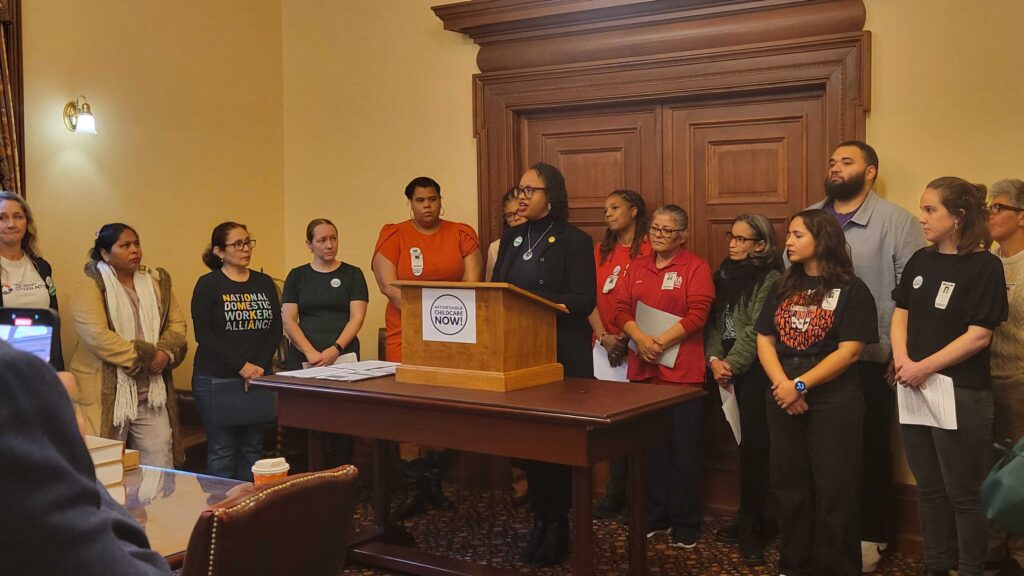 “There’s far-reaching impact that school-age childcare and after-school has on the state overall and how we’re able to function and support our families,” Ebony Grace, Chief Executive Officer of New Jersey School Age Childcare Coalition. “Children in low- and middle-income families are more likely to be without afterschool and school-age childcare. And it’s not because parents do not see the value of such programs; parents have to make tough decisions about what they can afford, especially as state support for childcare has decreased.”
“New Jersey’s Child Care Assistance Program is a key economic support initiative that predominantly benefits women of color. Women who provide childcare services and those who rely on care for their children to enable them to participate in the workforce are among the primary beneficiaries”, said NJ Communities United Executive Director Trina Scordo. “As women play a vital role in driving economic growth, they deserve comprehensive support and respect, and New Jersey must strive to do better for women and working-class families. Demanding increased childcare expenditure from families is not a viable solution. The Governor, in conjunction with Senate and Assembly leadership, must collaborate to promptly reinstate CCAP. In doing so, they also pave a path for Governor-elect Sherrill to strengthen New Jersey's childcare infrastructure.”
“Investing in affordable, high-quality childcare supports families and strengthens our entire community. Increased state funding helps parents work with peace of mind, ensures a livable wage for childcare providers, and builds a stronger future for all”, said Mauro Camporeale, Chief of Staff for Communications Workers of America Local 1037.
“Fully funding CCAP isn’t just good for families — it’s smart economic policy,” said Winifred Smith-Jenkins, Director of Early Childhood Policy & Advocacy with Advocates for Children of NJ. “When parents can work, providers can stay open, and children ages 0–13 have a safe, nurturing place to learn, play, and grow, everyone benefits — families, businesses, and the state’s economy.”
“Many domestic workers, who are majority immigrant women of color, are part of the care workforce that makes all other work possible, they are lower income workers who are impacted by the childcare assistance freeze. Their work is caregiving. If these low-income workers cannot access their own childcare, they will be forced to quit, and providers will have to close their doors. Then, who will care for all other workers’ children, who will clean their homes, and who will look after their elderly relatives?” said Evelyn Saz, Lead Organizer, National Domestic Worker Alliance of NJ.
Advocates noted that temporary federal relief funds from the COVID-19 pandemic once helped buttress an undervalued childcare industry. But those funds are gone, and lawmakers have yet to provide a long-term funding solution for the essential workforce behind New Jersey’s workforce. At a time of surging food prices and healthcare costs, and with many federal safety net programs facing cuts, New Jersey families on average spend close to 20 percent of their monthly budget on childcare costs.
CCAP budget cuts have forced parents, primarily mothers and caregivers, to reduce their work hours, leave their jobs entirely, or not return to work after taking leave in order to care for their children. These parents have seen their financial stability undermined while New Jersey has seen its workforce shrink.
Laura Peñafiel is a mother of two from Newark and is a preschool teacher. She hasn't been able to receive childcare assistance since the freeze, and her family struggles every month to cover all their bills, while also having to pay out of pocket for childcare. She says, "Cuts to childcare assistance don't just hurt parents like me, they hurt children, families and our whole community. Parents want to study, work, and provide for our children. But instead of receiving support so that life is affordable, we are punished to have to make impossible choices."
Family and center childcare providers who form the backbone of our childcare system—many of them women of color—are experiencing catastrophic drops in enrollment. They are losing their livelihoods, and many face permanent and immediate closure. The recent CCAP cuts have pushed the entire system toward a point of no return; we need urgent action to keep this industry alive.
“We believe that this is an injustice and we’re fighting for the restoration of the fund. Because this not only affects the childcare providers it affects the families and the children too,” said Denysse Cubas, family childcare provider in Belleville. “The cost of living is skyrocketing right now, and we as workers deserve to live a life with dignity. And above all, we need children to have quality care. If childcare providers are taken care of, then children will have that quality care.”
Michelle Stroud, a family childcare provider from Ocean County, said, “As much as I want to help the parents of the children I can for, I can’t afford to provide lower tuition on childcare anymore. Providers also need to take care of our own families. The freeze on the childcare assistance program is hurting both parents and childcare providers - it’s time for the state to step up and support childcare providers as well as working families and their children.”
“Childcare is not a luxury,” said Willman-Cole. “It’s an essential part of our economy. We need to end the freeze and ensure that more families have expanded access to subsidies and to treat investment in childcare as community infrastructure; not an individual need.”