
Assembly Democrats Introduce Legislation to Explore Withdrawing from PJM
Assembly Democrats Introduce Legislation to Explore Withdrawing from PJM
Karabinchak bill would require BPU to consider leaving the multi-state electric grid to better serve New Jersey ratepayers
(TRENTON) — In response to mounting frustrations over rising electricity costs and regulatory misalignment, Assembly Democrats introduced legislation yesterday that would direct the New Jersey Board of Public Utilities (BPU) to work with neighboring states to explore alternatives to PJM Interconnection’s capacity and transmission market. Sponsored by Assembly members Robert Karabinchak, Dave Bailey, Jr., and Lisa Swain, bill A5902 seeks to address PJM’s failures that have resulted in increased costs for New Jersey ratepayers.
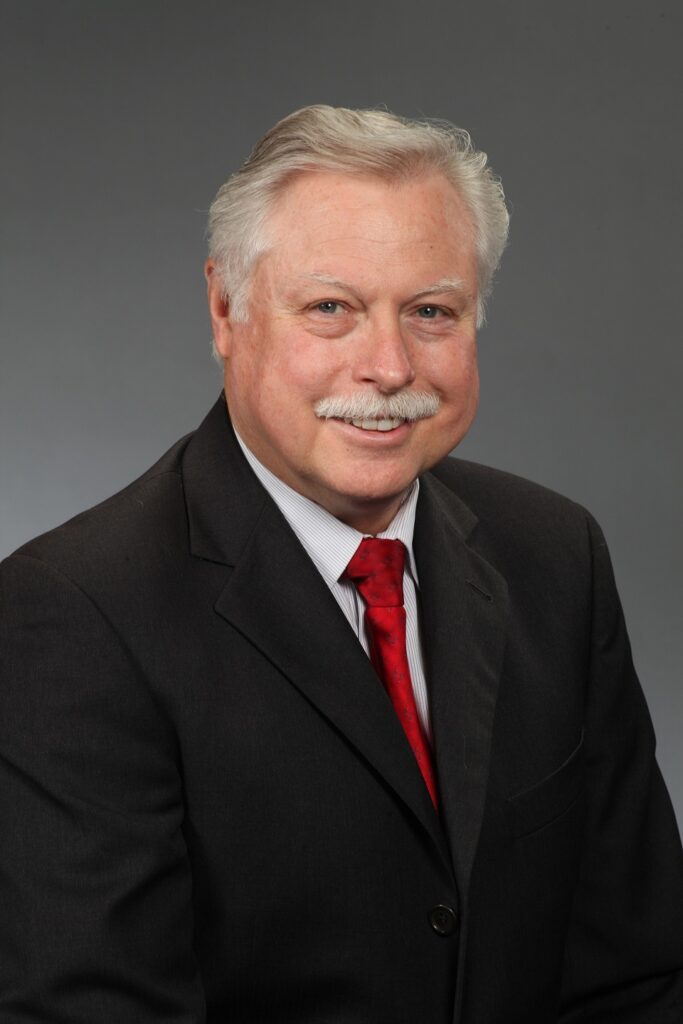
“For far too long, PJM has operated in a way that ignores the needs of the states in our region and saddles our residents with higher utility bills,” said Assemblyman Karabinchak (D-Middlesex). “After months of work and consultation with energy experts, I’m proud to introduce this bill to start the tough but necessary conversation about PJM’s future. Their inability to adapt has become harmful to families and businesses across the Northeast and it’s time we push for a system that works for us.”
PJM Interconnection, L.L.C., the regional transmission organization responsible for managing the electric grid across 13 states and the District of Columbia, has faced growing criticism in recent months for failing to connect new energy generation and for presiding over massive spikes in capacity costs. As highlighted during recent joint hearings of the Senate Select Committee and the Assembly Telecommunications and Utilities Committee, PJM’s failure to bring new energy supply online has directly contributed to higher utility bills for New Jersey residents.
“As we continue to work toward a more affordable and reliable energy future here in New Jersey, it has become increasingly clear that we must come together with our neighboring states to make it happen,” said Assemblyman Bailey (D-Gloucester, Salem, Cumberland). “PJM is a regional system and fixing it will require a coordinated response from all of the states it serves. The challenges we’re facing are not unique to New Jersey and neither is the solution. There is strength in numbers, and I look forward to working alongside our regional partners to deliver real, lasting reform that puts ratepayers first.”
Under the bill, the BPU would be tasked with working collaboratively with neighboring states to research and recommend collective action to: require any load serving entity in New Jersey to demonstrate that it has contracted for at least 80 percent of the capacity needed to serve customers for at least five years into the future; withdraw from PJM’s capacity market and develop a multi-state compact to replace the capacity market with a fixed resource requirement model; and explore the feasibility of withdrawing from PJM’s high-voltage electric transmission grid entirely either by joining a different regional system or establishing a New Jersey-led grid.
“The backlog of projects and a reluctance around advancing clean energy have made it clear that PJM has not been a good partner. It’s time we explore our options to find an energy partner that is better aligned to serve our communities,” said Assemblywoman Swain (D-Bergen). “This bill represents a collaborative effort among states that have been failed by PJM to identify an electric load serving entity capable of reliably meeting our energy needs without imposing additional financial burdens on our residents. We have heard from our constituents, and we are committed to finding the most effective solution, whether or not PJM is a part of it.”
New Jersey is the first state to introduce such legislation, but other states are considering similar action. Legislators in other states took notice of yesterday's action.
“New Jersey’s work to increase transparency and explore alternatives is crucial in times like this when PJM’s decisions are not serving the people of their region,” said Maryland Delegate Lorig Charkoudian. “We pioneered transparency measures in Maryland, requiring PJM votes to be public, and will continue to pursue options to ensure PJM is a better partner to the states it connects.”
PJM currently has a backlog of energy projects waiting to be added to the grid, and its failure to take action has resulted in rate increases. However, Assembly Speaker Craig J. Coughlin recently joined Governor Phil Murphy and other legislators in announcing more than $430 million in direct energy relief for ratepayers, which takes effect this summer.