Booker, King, Scott, Budd, Wicker, Hassan, Reintroduce Bipartisan Bill to Strengthen Wastewater Testing Systems for Public Health Emergency Preparedness
| Booker, King, Scott, Budd, Wicker, Hassan, Reintroduce Bipartisan Bill to Strengthen Wastewater Testing Systems for Public Health Emergency Preparedness |
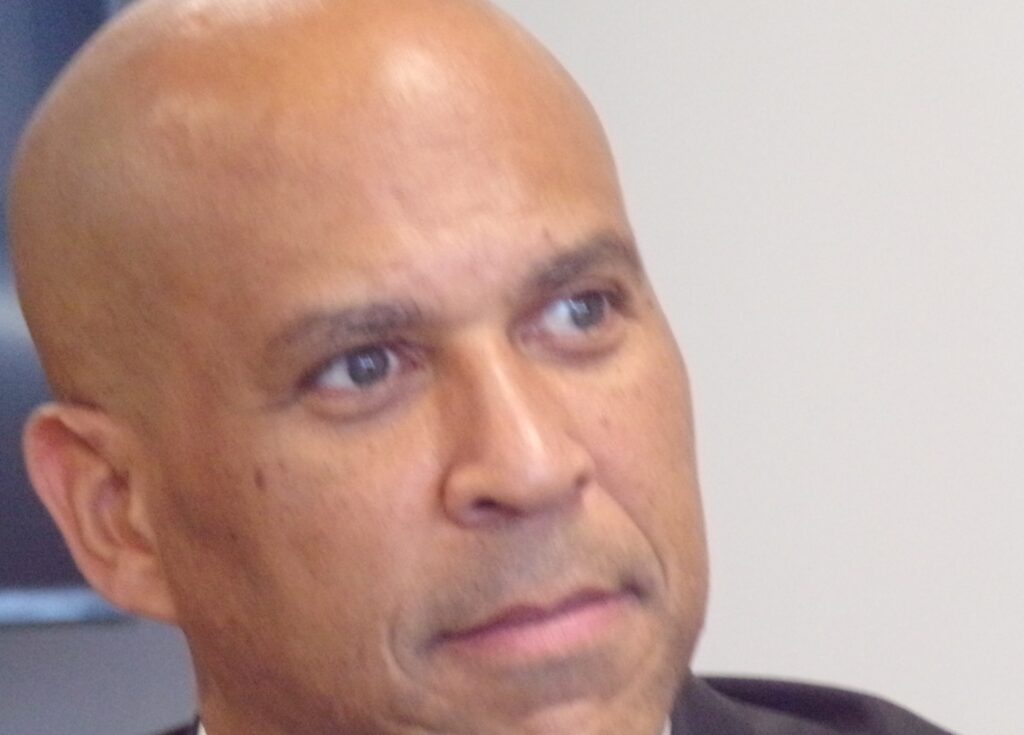
| WASHINGTON, D.C. — Last week, U.S. Senators Cory Booker (D-NJ), Angus King (I-ME), Tim Scott (R-SC), Ted Budd (R-NC), Roger Wicker (R-MS), and Maggie Hassan (D-NH), reintroduced the Public Health Response and Emergency Detection through Integrated Wastewater Community Testing (PREDICT) Act, legislation aimed at strengthening and expanding the nation’s wastewater monitoring network and improving the early detection of infectious diseases.
Wastewater surveillance analyzes sewage to detect viruses and bacteria circulating in a community. Individuals infected with diseases such as measles, respiratory syncytial virus (RSV), and influenza A can shed viral or bacterial material through everyday activities, even if they do not show symptoms. Monitoring wastewater helps public health officials identify potential outbreaks earlier and respond more quickly to protect communities. “As we’ve seen in recent years, the threat of infectious disease and public health crises remains an ongoing challenge that requires a well-prepared public health system. Wastewater surveillance systems are vital tools that help warn communities early,” said Senator Booker. “I’m proud to lead the charge and work across the aisle to reintroduce this legislation so we can continue protecting our communities from the spread of disease and ensure public health officials have the tools they need to detect threats early and keep people safe.” “Protecting the health of Maine people—and all Americans—is essential to the health of our communities, and information and research is the key to getting and staying ahead of threats,” said Senator King. “By building on the lessons we learned from the COVID-19 pandemic, the PREDICT Act will expand the scope of wastewater study to better detect infectious diseases from our communities before they become widespread. I am proud to re-introduce this bill and work together with my colleagues across the aisle on smart, science-focused legislation that will work to prevent dangerous public health emergencies.” “Wastewater monitoring provides communities with an early warning when infectious diseases are spreading,” said Senator Scott. “As South Carolina continues responding to the measles outbreak, it’s clear that early detection tools are critical to protecting families and helping public health officials respond quickly to emerging threats.” “Improving our ability to track the spread of infectious diseases through our wastewater systems is becoming increasingly important for not only the health and the safety of American families, but also our national security. I am proud to join Senators Booker and Scott in introducing this critical legislation to strengthen our nation’s readiness and increase public transparency to help prevent serious public health emergencies,” said Senator Budd. “Wastewater often provides early warning signs that infectious diseases could be spreading through our communities. Early detection tools are the first line of defense for families and public health officials. We must keep these monitoring capabilities up-to-date. This legislation would improve current methods to track the spread of infectious diseases and put better measures in place to prepare for public health emergencies,” said Senator Wicker. "Verily is proud to support the PREDICT Act as a vital step toward ensuring a robust national public health capability that provides transparent and trusted real-time data for decision-making. This legislation bolsters the tools every community needs to identify infectious disease threats to prevent illness across the nation," said Dr. Andrew Trister, Chief Medical and Scientific Officer at Verily. The PREDICT Act would:
To read the full text of the bill, click here. ### |