
Gusciora Administration Marks Eight Years of Investment Reaching Every Trenton Neighborhood
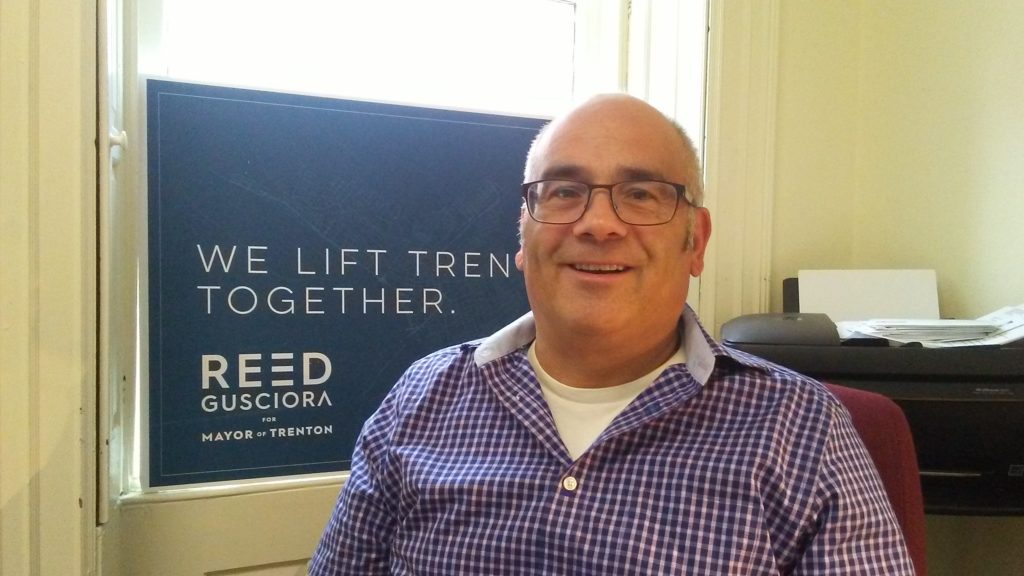
More than $250 million in state aid, major housing and redevelopment projects, and a historic drop in crime mark a record that touches every ward
TRENTON, N.J. — October 6, 2026 — For years, Trenton was often described as a tale of two cities: neighborhoods seeing investment and opportunity alongside neighborhoods that had waited decades for the same attention. Over the past eight years, the focus has been on changing that by investing across every ward and improving the things that make Trenton a better place to live: safer neighborhoods, stronger housing, better parks, modern infrastructure, economic development and opportunity for residents of every age. More than $250 million in state aid has come to Trenton since 2018, including $67.3 million in 2026, the highest annual amount of the administration. The city has also secured more than $50 million in state and federal grants for projects across Trenton. Moody's upgraded Trenton's credit rating in May 2026, while a new city employee health plan is saving taxpayers at least $4.3 million every year. Together, those gains have given the city more capacity to invest in neighborhoods and move long-delayed projects forward.
Some of the largest investments are now happening in places that had gone decades without redevelopment on this scale. The New Jersey Economic Development Authority approved a $54.3 million Aspire tax credit to support 107 new affordable senior apartments and community space in Trenton. The city also secured a $15.6 million Choice Neighborhoods grant to help transform Donnelly Homes and North Trenton, with the first phase including 108 new senior apartments. At Kingsbury Towers, a major rehabilitation is preserving and improving hundreds of affordable homes and bringing substantial reinvestment to a property that has served generations of Trenton residents. The administration is also working with Trinity Health on redevelopment of the former St. Francis Medical Center site, creating an opportunity for new healthcare services, senior housing and additional investment. In downtown Trenton, the administration is working with City Council on the proposed acquisition of the 1 West Lafayette hotel property to accelerate redevelopment of one of the city's largest stranded assets. These projects together represent a major expansion of housing and redevelopment activity across multiple parts of the city.
Economic development is moving forward at the same time. On Enterprise Avenue, the city approved the $1 million sale of more than 10 acres to Meridian Furniture for a new approximately 220,000-square-foot facility expected to create roughly 200 jobs. Along South Broad Street, $7 million in state investment is supporting restoration of the historic Roebling Wire Works and Eagle Tavern. Princeton Hydro brought more than 30 jobs into the historic Roebling complex. A startup accelerator has worked with 13 companies, while Business Improvement grants have supported storefronts and small businesses throughout the city. The city has also continued efforts to return vacant and underused commercial properties to productive use. Taken together, those projects are expanding the tax base, creating jobs and putting long-dormant sites back into circulation.
The city has also made major investments in basic infrastructure and neighborhood conditions. More than 11,000 lead service lines have been replaced, free to participating homeowners, and the lead-line replacement effort has grown into a $175 million program. Trenton Water Works is installing smart meters for 63,000 customers and advancing a $763 million, ten-year capital plan to modernize the water system. More than 300 blighted properties have been demolished, while more than 150 vacant properties have been approved for transfer to local buyers and developers. Additional city-owned properties are being made available across all four wards. These efforts are addressing both the city's physical infrastructure and the vacant properties that have weighed on neighborhoods for years. The result is a city that is gradually replacing blight and deferred maintenance with new investment and productive use.
Quality-of-life investments have reached parks, seniors and young people as well. Ten new playgrounds have opened since August 2024 as part of a 26-playground repair and replacement program, including accessible playground equipment for children with disabilities. The Reading Senior Center reopened after more than eight years, while the South Ward Senior Center is being renovated. Nearly 350 young people held summer jobs in 2024. GOTrenton! has carried more than 100,000 passengers since launching in 2023. Trenton was also selected as a 2024 Robert Wood Johnson Foundation Culture of Health Prize winner, becoming the first community in New Jersey to receive that national recognition. Those investments touch residents at nearly every stage of life, from children and working families to seniors who have spent decades in the city.
Public safety has also been a major part of the city's record. The Trenton Police Department added 23 officers in 2025 and 29 officers in 2026, strengthening patrol coverage and expanding the department's capacity to respond to residents. The city also established Community Street Teams to intervene in conflicts before they become violent and expanded ARRIVE Together to pair police officers with mental-health professionals on crisis calls. A Real-Time Crime Center now connects Trenton Police with county and state law enforcement, while the department expanded its internal affairs unit and earned state accreditation. Violent crime has declined by roughly 20 percent per capita compared with the preceding eight-year period. Property crime, burglary and robbery have also declined substantially over the same broader period. At the same time, Trenton's equalized property value increased from approximately $2.42 billion in 2018 to $4.17 billion in 2025, an increase of roughly 72 percent. The combination of additional officers, community street teams, lower crime, stronger property values and new investment gives a clearer picture of how conditions across the city have changed.
The larger story is not any one project or any one number. It is that investment is reaching North Trenton and South Trenton, downtown and neighborhood commercial corridors, public housing and senior housing, parks and playgrounds, water infrastructure and long-vacant properties. Children are getting new playgrounds, seniors are getting new housing and reopened community spaces, residents are seeing major infrastructure improvements, businesses are expanding and jobs are being created. Properties that sat dormant for years are moving toward redevelopment, while neighborhoods that had waited generations for major investment are finally seeing significant capital flow into them. The administration's record has touched every ward and residents across different income levels and stages of life. For a city once described as a tale of two cities, the central idea has been to build one Trenton. The goal has been progress that residents can see and feel wherever they live in the city.