Burgess Bill Protecting Children from Social Media Content Promoting Eating Disorders Clears Committee
January 9, 2026, 11:19 am | in
Burgess Bill Protecting Children from Social Media Content Promoting Eating Disorders Clears Committee
TRENTON – To better protect children from harmful content on social media, the Senate Budget and Appropriations Committee approved a bill sponsored by Senator Renee Burgess that would prohibit social media platforms from using a design, algorithm, practice, or feature that the platform knows, or should have known, could cause child users to develop an eating disorder. This includes actions like promoting diet products on the platform.
Under the bill, S-4153, an eating disorder is defined as a behavioral condition characterized by a severe and persistent disturbance in eating behaviors and associated distressing thoughts and emotions. Many eating disorders, including anorexia nervosa, bulimia nervosa, binge eating disorder, and avoidant/restrictive food intake disorder (ARFID), often develop in adolescence and frequently co-occur with anxiety and depression. They can also be associated with significant functional impairment, family disruption, academic interruption, and increased risk of serious medical complications, meaning prevention is critical.
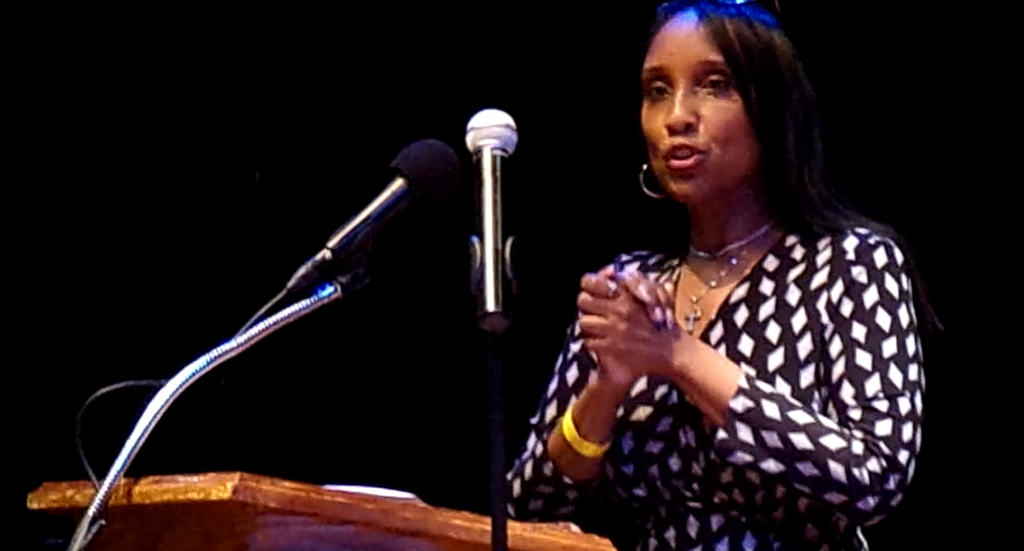
“Too many children and adolescents across New Jersey are impacted by eating disorders, a public health concern that continues to grow at an alarming rate,” said Senator Burgess (D-Essex). “Social media use has been proven to be a root cause, as children are often barraged with harmful content that promotes certain diets, body types, and products associated with eating restrictions and disorders. These platforms have a responsibility to thoroughly monitor what they are promoting and ensure that incredibly dangerous content is restricted, which is particularly important for vulnerable young people.”
A social media platform would not be found to violate the provisions of the bill if the platform institutes and maintains, or an independent third party conducts regular audits of its practices, algorithms, designs, or features to determine whether they have the potential to cause, or contribute to the development of eating disorders in child users. If a third party finds an issue, the social media must take action within 30 days to correct it and ensure they are adhering to the bill’s provisions.
Additionally, a social media platform would not be liable for content that is generated, uploaded, or shared on the platform by a user or created solely by a third party, unless the content is paid for or promoted by the platform.
Finally, a social media platform that violates the provisions of the bill would be liable for a civil penalty, not to exceed $250,000 per violation.