
MCDC Chair Draeger: Mental Health Care Shouldn't Depend on Privilege
Mental Health Care Shouldn't Depend on Privilege
Rep. Tom Kean Jr.'s speech today on the House floor describing his battle with depression was heartfelt and important. By sharing his experience, he may help reduce the stigma surrounding mental illness and remind New Jerseyans that asking for help is a sign of strength.
But words alone do not expand access to mental health care. Public policy does.
Kean spoke movingly about how his doctors urged him to remain hospitalized, how treatment helped him recover, and how grateful he was for the care he received. Yet for more than two decades in public office, his voting record shows he has too often worked against making that same care more affordable and accessible for others.
While serving in the New Jersey Legislature, Kean repeatedly voted against measures that strengthened the Affordable Care Act's protections in our state. He opposed legislation to create the state's health insurance marketplace, voted against Medicaid expansion after previously expressing support for it, opposed state-funded health insurance subsidies that lowered premiums for working families, voted against efforts to stabilize insurance premiums, and opposed legislation protecting consumers from surprise medical bills.
These votes were not part of some abstract policy debate, they were active choices that affected whether New Jersey residents could afford therapy, psychiatric care, addiction treatment, prescription medications, and inpatient mental health services.
In Congress, Kean voted for legislation that independent health policy experts projected would make health coverage less affordable for many Americans by both allowing enhanced Affordable Care Act premium subsidies to expire and by reducing Medicaid enrollment.
And now we can see the consequences of his vote playing out: Health policy analysts at KFF project that average ACA Marketplace enrollment could fall to around 17.5 million this year. That means roughly 5 million fewer people than in 2025 will have insurance, a decline of more than 20%, largely because higher premiums caused by the subsidy expiration make coverage less affordable. For countless families, this will mean delaying counseling appointments, skipping medications, or abandoning mental health treatment altogether.
If insurance is the front door to mental health care, Tom Kean Jr has voted, repeatedly and reliably, to keep that front door not just shut, but locked.
At the same time, Kean has accepted more than $1 million in campaign contributions over his political career from the pharmaceutical, insurance, and health care industries. Public financial disclosures also show that he and his family have held substantial investments in UnitedHealth Group for many years, earning dividend income while the value of those holdings grew significantly.
There is no evidence that these financial relationships determined his votes. But they raise legitimate questions when viewed alongside a legislative record that has consistently favored policies opposed by many patient advocates while benefiting industries with a financial stake in the health care marketplace.
Mental health care is not simply about encouraging people to seek help—it is about making sure the care is actually there when they do. Yet the kind of treatment that Rep. Kean credits with restoring his own health remains out of reach for too many people in New Jersey’s Seventh District, in part because Kean himself has repeatedly opposed policies that would make coverage more affordable and more comprehensive.
I believe Tom Kean Jr. would agree that mental health treatment should not depend on generational wealth, copious investment income, or the ability to step away from work and family responsibilities for extended residential care. And I think he would say that every person facing depression deserves a real chance at recovery, regardless of income, occupation, or ZIP code.
However, voters deserve a representative whose commitment to mental health is measured not in words, but in sustained action to expand access and affordability. By that measure, Tom Kean Jr. has fallen short, and there is little indication he intends to do better. The tension between the care he describes receiving and the policy choices he's made that determine whether others can access it is difficult to overlook.
In the end, that gap between words and outcomes is exactly what voters are being asked to judge this year. Their verdict may be compassionate, but it should also be clear-eyed: NJ-7 deserves a representative who will fight for access to care for everyone, not just reflect on its importance when it becomes personal.
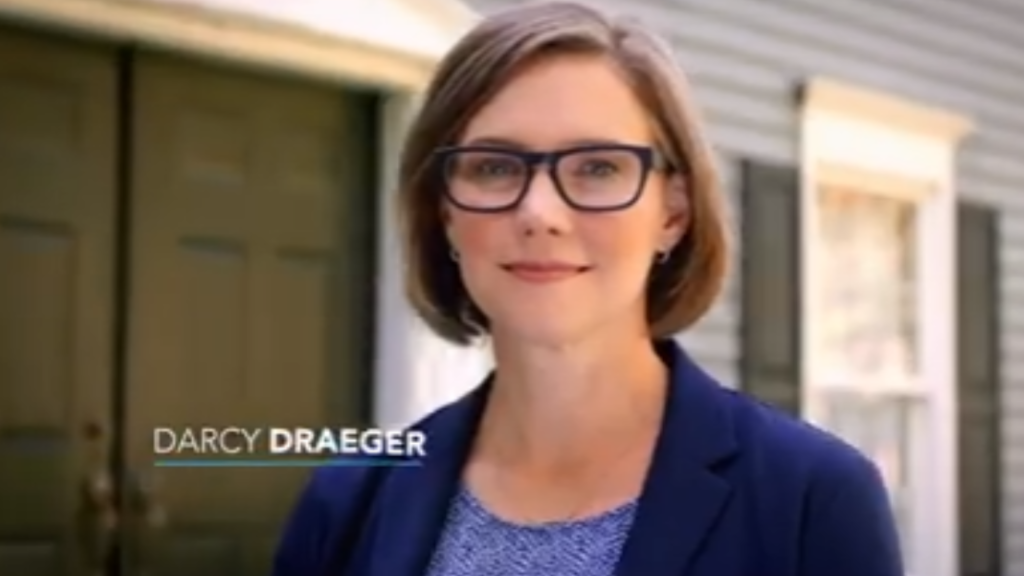
Darcy Draeger
Chair, Morris County Democratic Committee