
Attorney General Davenport Publishes Model Policies to Protect Access to Essential Services as Federal Government Continues to Target New Jersey’s Immigrant Communities
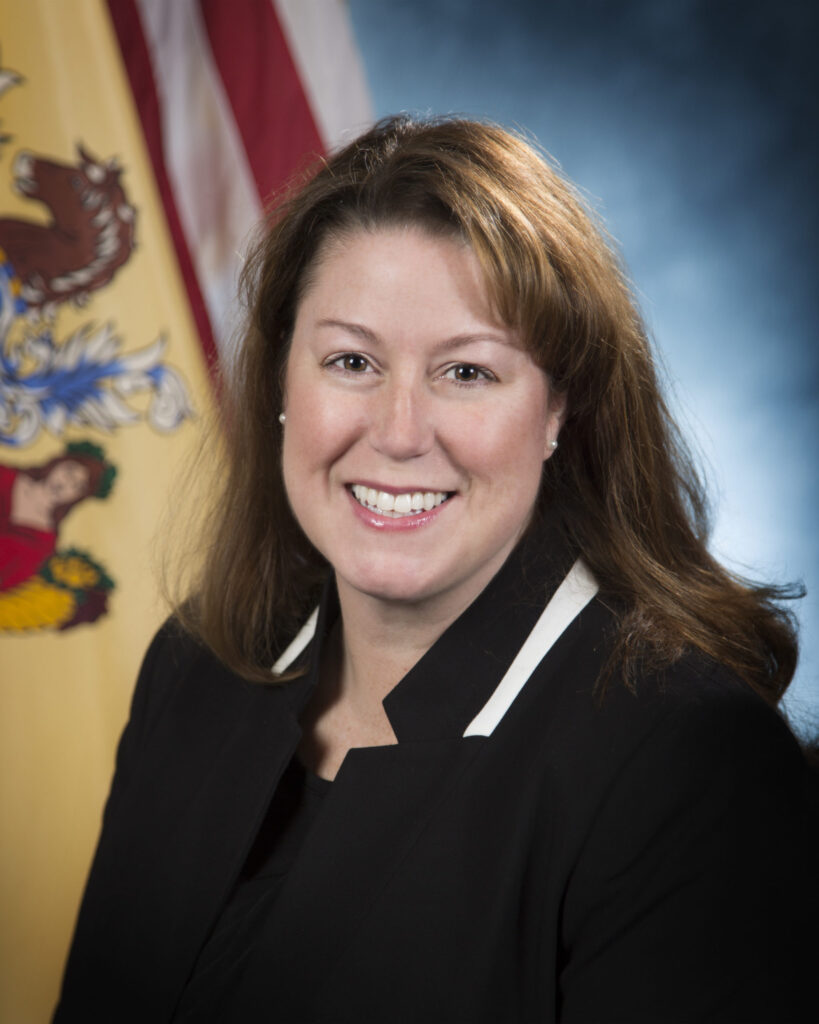
Attorney General Davenport Publishes Model Policies to Protect Access to Essential Services as Federal Government Continues to Target New Jersey’s Immigrant Communities
TRENTON – Attorney General Jennifer Davenport announced that the Office of the Attorney General has published six model policies for sensitive locations – including schools, hospitals, shelters, and places of worship – to protect access to essential services amid ongoing federal actions targeting New Jersey’s immigrant communities. The Attorney General’s model policies, required under the Safe Communities Act, address how sensitive locations can prepare for and respond to federal civil immigration enforcement operations at their premises.
The Safe Communities Act, which was signed into law in January 2026, seeks to improve community safety, safeguard access to essential services, and strengthen trust in public institutions. It requires the Attorney General to issue model policies, and it provides that sensitive locations “shall adhere to the model policies” or policies that provide greater protections to “the fullest extent possible and consistent with State and federal law.”
“The president’s policies aren’t making our communities safer – instead, the White House has created fear that discourages people from reporting crimes or going to school,” said Governor Mikie Sherrill. “In New Jersey, we are charting a different path forward that respects Constitutional rights and strengthens public safety. Alongside our community partners, we are putting systems in place to protect our residents’ access to critical services including education, health care, worship services, and social services.”
“No one in our state should be afraid to go to school, get medical care, worship, or seek the help they need. But that is the tragic reality for far too many in our state, especially our immigrant communities. That’s why we must all stand together and work together to safeguard access to essential services for all New Jerseyans,” said Attorney General Davenport. “The model policies we are publishing today provide important guidance for sensitive locations – hospitals, schools, shelters, places of worship, and more – so that these institutions can more effectively protect the people they serve.”
“These model policies strengthen the ability of civic and community institutions to protect the communities they serve,” said Yolanda N. Melville, Director of the Division on Civil Rights. “Just as everyone in the Garden State deserves to live free from discrimination and harassment, all New Jerseyans should feel safe when seeking medical care, attending school, accessing shelter and social services, and gathering to worship in our communities.”
Developed in consultation with State agencies and stakeholders, the Safe Communities Act model policies explain the steps facilities should take to respond when immigration authorities attempt to enter nonpublic areas without a judicial warrant. The model policies address health care facilities, houses of worship, social services offices, public schools, shelters, and correctional facilities. Each policy also includes a customizable template that facilities may use to implement the protocols.
The model policies outline basic practices in three key areas: preparing for the possibility that federal immigration officers will seek or gain access to their premises for civil immigration enforcement; responding to requests for physical access or information during an in-person encounter with federal immigration officers; and documenting information about the encounters. The policies are:
- Model Policy for Health Care Facilities
- Model Policy for Places of Worship
- Model Policy for Offices of Social Services
- Model Policy for Pre-K-12 Public Schools
- Model Policy for Shelter Facilities
- Model Policy for Correctional Facilities
The Act requires that the Commissioners of the Department of Children and Families, the Department of Community Affairs, the Department of Health, the Department of Human Services, the Department of Education, and the Department of Corrections adopt the Attorney General’s model policies or adopt policies that provide even greater protections.
Today’s release of the Safe Communities Act model policies is the latest step taken by Governor Sherrill, Attorney General Davenport, and the Sherrill Administration to ensure that federal immigration enforcement does not undermine community trust in state government and state institutions.
In February, Governor Sherrill issued Executive Order No. 12, which prohibits state agencies from consenting to the use of state property for civil immigration enforcement or for the staging of civil immigration operations. In March, she signed the Privacy Protection Act, which limits the personal information health-care providers and the State’s government entities are able to share. Governor Sherrill also signed a bill codifying the Attorney General’s Immigrant Trust Directive, which has been in effect since 2018 and directs law enforcement to refrain from assisting with federal civil immigration enforcement to further trust between law enforcement and immigrant communities.
The Office of the Attorney General has brought four lawsuits that have successfully blocked the federal government from withholding billions of dollars in grants to New Jersey and other states from various agencies – specifically, the Departments of Agriculture, Homeland Security, Justice, and Transportation – by attempting to require support for federal civil immigration enforcement as a condition for receiving funding. In March, Governor Sherrill and Attorney General Davenport sued to block the conversion of a warehouse in Roxbury, NJ into a mass ICE detention facility, stopping any immediate construction work to create an ICE detention facility at the site. And in June, the Attorney General and the Department of Health sued the GEO Group, which operates the Delaney Hall immigration detention center in Newark, to obtain full access to conduct an inspection of the facility.