
Black Maternal Health is a Matter of Life and Death
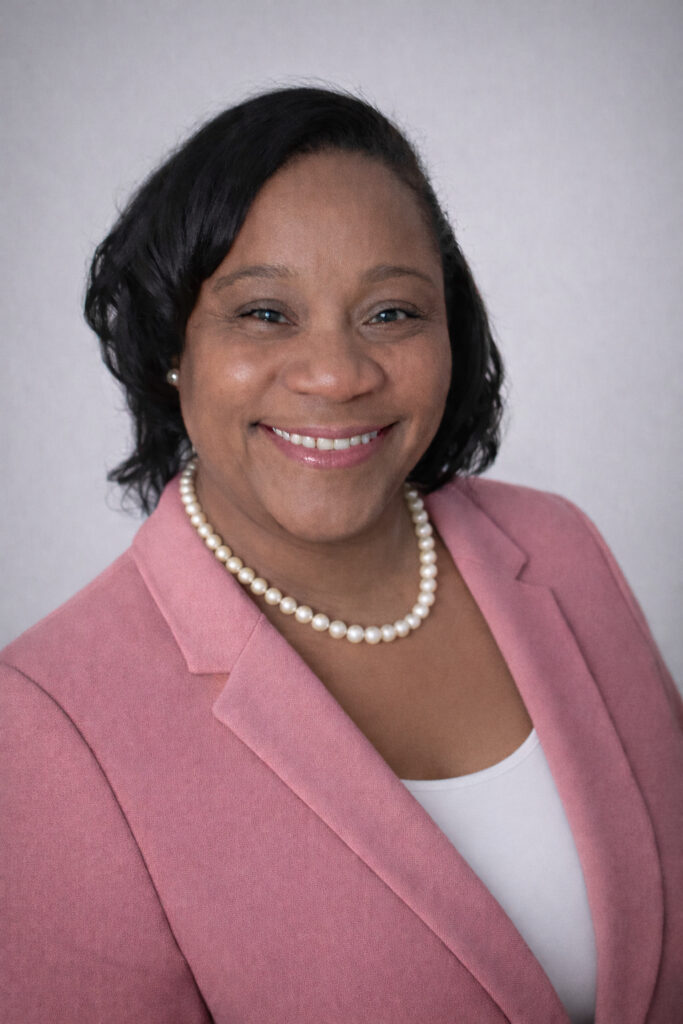
By Sahai Cole
Black maternal health in New Jersey remains a public health crisis. Despite decades of research and public awareness, Black women continue to die from pregnancy-related causes at alarming rates. Too often, these deaths are preventable. They are the result of systems that fail to listen, respond, and follow through.
The recent death of Dr. Janell Green Smith, a midwife, maternal health advocate, and first-time mother, is a painful reminder of those failures. Dr. Green Smith dedicated her life to supporting families through pregnancy and childbirth. She understood the warning signs and worked within the healthcare system. And still, she died from childbirth-related complications. Her death leaves behind a newborn, a grieving family, and a question that should not still need asking: how does this keep happening?
Part of the answer lies in how care is delivered across the healthcare system. For many Black women, risks begin during labor and delivery. Pain is minimized, symptoms are dismissed, and requests for help are delayed or overlooked because of unequal treatment in our healthcare systems. When care teams fail to act quickly, escalate concerns, or listen closely to patients, small complications can become life-threatening emergencies.
These experiences are reflected in the data. Nationally, Black women are nearly three times more likely to die from pregnancy-related causes than white women, according to the CDC. In New Jersey, the disparity is just as stark. Data from the New Jersey Department of Health shows that Black women are seven times more likely than white women to die from pregnancy-related causes. Most of these deaths are preventable. They are not the result of individual choices, but of systems that too often dismiss concerns and delay care.
As a Black mother and someone who works closely with families during pregnancy and early parenthood, I see these gaps play out every day. Symptoms are brushed aside. Questions go unanswered. Follow-up care fades after delivery. Families are left to decide on their own whether something feels “normal” or dangerous. In moments when every hour matters, uncertainty can become deadly.
This lack of support becomes even more dangerous after childbirth. The postpartum period is especially risky. More than half of pregnancy-related deaths occur after birth—often weeks later, when routine medical visits have ended. Yet many mothers leave the hospital without clear guidance, timely follow-up, or adequate monitoring. When complications such as infection, hemorrhage, or heart conditions arise, warning signs are often missed. No one’s safety should depend on how hard they have to push to be believed.
We already know what helps prevent these outcomes. When patients receive consistent care, clear communication, and providers who take their concerns seriously, during delivery and beyond, outcomes improve. But too many Black mothers do not receive this level of support, especially after delivery, when they need it most.
There has been progress. More attention is being paid to Black maternal health, and more programs are working to close those gaps. But attention alone doesn’t save lives. Without clear accountability, too many families are still left without the care they deserve.
Healthcare systems must be held responsible for what happens to mothers from admission through recovery. Hospitals and providers must ensure rapid response to warning signs, strong communication among care teams, timely postpartum follow-up, and transparent tracking of outcomes. Policymakers must continue investing in approaches that strengthen continuity of care and reduce disparities.
If we are serious about reducing maternal deaths, we must move beyond concern and commit to change. Black mothers deserve care that listens, responds, and stays present after delivery. Their lives depend on it.
Sahai Cole is Vice President of the Children & Family Health Institute, which supports more than 54,000 New Jersey families each year through a range of public health programs, from early intervention to pediatric home care.