
NJBIA Statement on Passage of Climate Superfund Act by Senate Budget Committee
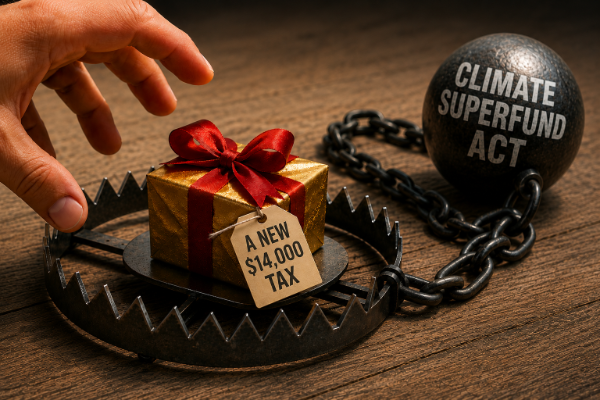
NJBIA President and CEO Michele Siekerka issued the following statement regarding the advancement of the Climate Superfund Act/Polluters Pay Act by the Senate Budget Committee tonight.
While purported to be as a funding mechanism for future climate resiliency projects, the bill retroactively penalizes New Jersey fossil fuel companies $50 billion for legally providing an essential product used by all New Jerseyans, including supporters of the bill.
“There are many reasons why we have said this bill is one of the worst business bills in the history of a state that is not known for its business friendliness.
“For starters, there is no $50 billion free lunch. Anyone who says these costs won’t impact New Jersey consumers already mired in an affordability crisis is quite mistaken.
“In addition to raising energy costs for every New Jersey household and business over the next 20 years, it will lead to job loss and reduce investments within our two remaining refineries and other connected businesses within the gas supply chain.
“Last year, NJBIA released a report with NJIT that found the Bayway Industrial Complex in Linden is a substantial contributor to New Jersey’s economy, generating $21.3 billion in total statewide output, while adding nearly $7 billion to the Gross State Product. It contributes 35,000 in direct and indirect jobs, meaning job impacts beyond the fence of the facility.
“Instead of celebrating this output, this bill effectively tells the companies, its workforce and its communities that you do not matter.
“Then there is the chilling and likely unconstitutional message that it tells our job creators: ‘Follow every law, follow every permit and regulation, and we can still retroactively penalize you billions of dollars, even when providing an essential service.’
“That’s not just being unfriendly to business. That’s business hostility.
“This bill includes no economic study showing the benefit that fossil fuels have brought to our society. There are no facts on how much New Jersey has contributed to global emissions, or how much users of the products contribute to global emissions compared to those who provide the essential products.
"We know the facts. New Jersey contributes a mere 1.7% to national GHG emissions and .3% globally. That is a testament to some of the strictest air quality rules in the world that these companies follow. But clearly that is not good enough.
“And while New Jersey is in the middle of an affordability crisis, the bill all but ensures millions of dollars in legal fees for the state as the federal Clean Air Act states do not have authority to impose liability for global atmospheric conditions.
“Two states are already in litigation on this policy. How do our policymakers not, at a minimum, see how that litigation plays out before inviting this costly litigation to New Jersey?
“Before it’s too late, it is time for lawmakers to understand the negative consequences of this bill and not put the state’s affordability, jobs, economy and business climate any further in harm’s way.”