
Assemblyman Kenyatta Stewart and Senator Benjie Wimberly Introduce Bicameral Resolution Supporting International Mother Language Day

TRENTON, NJ – Senator Benjie Wimberly and Assemblyman Kenyatta Stewart introduced a bicameral resolution recognizing and supporting the goals and ideals of International Mother Language Day.
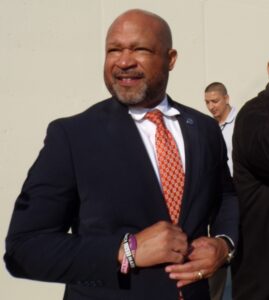
Established by UNESCO in 1999 and observed annually on February 21, International Mother Language Day is meant to promote linguistic diversity and multilingualism worldwide. The day also commemorates the 1952 student movement in Bangladesh, where students lost their lives advocating for recognition of Bengali, a language that is spoken by thousands of residents in LD-35 and across the state.
Assemblyman Stewart emphasized the importance of education in preserving linguistic heritage.
“When we protect and uplift languages, we empower families and students to take pride in who they are,” said Assemblyman Stewart. “This resolution is about ensuring that future generations understand the value of their roots while building bridges of understanding across cultures.”
According to UNESCO, thousands of languages worldwide are endangered, with many at risk of disappearing within just a few generations. The United States alone is home to more than 350 languages, including numerous Native North American languages that face critical threats to survival.
“Language is more than words. It is identity, history, and culture,” said Senator Wimberly. “In a state as diverse as New Jersey, where hundreds of languages are spoken in our homes and schools, we have a responsibility to honor and protect the cultural heritage that makes our communities strong.”
The bicameral resolution encourages New Jersey residents to observe International Mother Language Day through ceremonies, programs, and educational activities that promote multilingualism and cultural awareness.
“New Jersey’s diversity is our strength,” Wimberly and Stewart said jointly. “By recognizing International Mother Language Day, we reaffirm our commitment to dignity, inclusion, and the preservation of the rich cultural tapestry that defines our state.”