General Assembly Passes “John R. Lewis Voter Empowerment Act of New Jersey”
March 23, 2026, 4:55 pm | in
General Assembly Passes “John R. Lewis Voter Empowerment Act of New Jersey”
Reynolds-Jackson bill would provide safeguards for eligible New Jersey voters amid federal threats to voting access
(TRENTON) — Against the backdrop of increased national voting rights scrutiny and efforts on the federal level to disenfranchise voters, the New Jersey General Assembly passed the John R. Lewis Voter Empowerment Act of New Jersey. Sponsored by Assemblywoman Verlina Reynolds-Jackson, Bill A1715 is the latest in a series of steps Assembly Democrats have taken to expand democratic rights and participation of voters.
“Throughout the last few elections, we have experienced a concerning rise in the threat to American democracy, as voting rights face a level of scrutiny not seen since the passage of the Voting Rights Act of 1965,” said Assemblywoman Reynolds-Jackson (D-Hunterdon, Mercer). “When those in power feel their position is threatened, their actions can become increasingly unpredictable, a dynamic we are seeing play out with the Trump administration. This makes the advancement of the John R. Lewis Voter Empowerment Act more critical than ever.”
Assemblywoman Reynolds-Jackson noted that Bill A1715 would encourage maximum participation among eligible voters, helping ensure they have access to voting without obstacles or limitations.
The current federal administration is advancing the Safeguard American Voter Eligibility Act, or the SAVE Act, which aims to ensure that only citizens participate in federal elections, even though non-citizen voting is already prohibited under the Constitution. Rather than strengthening election integrity, the federal legislation would require states to share their voter rolls with the Department of Homeland Security, cross-referencing them against federal citizenship through a database that is currently being sued for incorrectly flagging some citizens as non-citizens. It would also significantly limit mail-in voting, leaving many citizens, including rural residents, workers with inflexible schedules, and voters with mobility challenges, without representation.
Bill A1715 has three main goals: protecting the right of voters to have their ballot cast and counted; ensuring that eligible voters are not impaired in registering to vote; and ensuring voters of race, color, and language-minority groups have equitable access to fully participate in the electoral process in registering to vote and voting. The bill would help establish an independent Division of Voting Rights to oversee the implementation and enforcement of the bill’s provisions and State election laws.
“In the past seven years, Assembly Democrats have championed voting rights legislation by expanding vote-by-mail access, creating opportunities for in-person early voting, and restoring voting rights for formerly incarcerated individuals,” added Assemblywoman Reynolds-Jackson. “But recent federal efforts, including the call for nationalizing elections and the raids of election offices, have raised legitimate concerns for me and other legislators over the federal government’s involvement in the election process.”
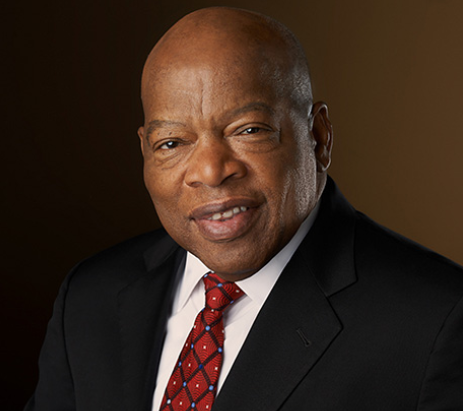
The bill honors the legacy of the late Congressman John R. Lewis, the namesake of the bill, who helped pave the way for the Voting Rights Act of 1965. It would honor his work and that of many other advocates by reinforcing protections against voter dilution and voter suppression through the creation of a preclearance process through which localities with a history of discrimination or that meet certain factors must seek pre-approval to make changes to their electoral and voting process.
Additionally, the legislation would direct the Division of Elections within the New Jersey Department of State to manage a central database of election and voting data, accessible to the public, from local election offices and political subdivisions across the state. This would include such information as election results, polling site locations and district or redistricting plans. It would also require language access or assistance for languages other than English that meet certain criteria.