Governor Murphy Announces Eighth and Final Round of Medical Debt Relief, Eliminating an Estimated $100 Million in Medical Debt for an Estimated 60,000 New Jerseyans
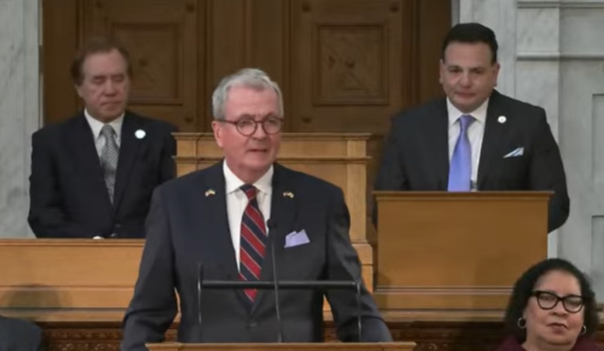
Governor Murphy Announces Eighth and Final Round of Medical Debt Relief, Eliminating an Estimated $100 Million in Medical Debt for an Estimated 60,000 New Jerseyans
New Jersey’s Medical Debt Relief Initiative Reaches Approximately $1.6 Billion Forgiven for Over 907,500 New Jerseyans
TRENTON – In the Murphy Administration’s eighth and final round of medical debt relief, Governor Phil Murphy today announced that an estimated 60,000 New Jersey residents will see an estimated $100 million in medical bills abolished as a result of the State’s ongoing partnership with national nonprofit Undue Medical Debt (Undue).
By leveraging an estimated $1 million in American Rescue Plan funds from the State’s investment in medical debt abolishment, Undue has purchased this debt from a major New Jersey hospital system. Undue-branded letters to those impacted are expected to arrive over the coming weeks.
First proposed during the Governor’s 2023 budget address, this partnership has seen approximately $1.6 billion in medical debt eliminated for over 907,500 New Jersey residents, initially utilizing a $10 million grant in Fiscal Year 2024.
“Medical debt has become a quiet crisis across our nation, trapping families in financial instability through no fault of their own. No one should be punished financially for getting sick or seeking care. Abolishing medical debt in collaboration with Undue is about restoring dignity, relieving families of crushing anxiety, and making clear that health care should be about healing,” said Governor Murphy. “The return on our investment in medical debt relief has been remarkable. For hundreds of thousands of families across our state, this initiative has brought about transformational change, wiping the slate clean and eliminating their medical debt. The positive impact is clear; without medical debt, residents are more inclined to seek care when they need it. With approximately $1.6 billion in debt retired, I am immensely proud of what we have accomplished through our partnership with Undue.”
"The scale of medical debt relief in New Jersey is a remarkable accomplishment and we're so proud to have partnered with Governor Murphy and his administration to erase these debts of necessity and we look forward to continuing this essential work with the next admin," said Undue Medical Debt president and CEO Allison Sesso. "Medical debt relief is one piece of the puzzle to unburdening our communities — we also need upstream policy action to reduce the harmful effects of healthcare debt. To that end, I must also celebrate the Louisa Carman Medical Debt Relief Act, which prevents medical debt from negatively affecting a patient's credit score and limits interest rates on medical debt. We know from our polling work that voters on both sides of the aisle overwhelmingly want these protections."
“Medical debt doesn’t exist in a vacuum — it shapes health outcomes every day. When people are forced to choose between paying bills and seeking care, no one wins. Health conditions go untreated and the stress compounds physical illness,” said Acting New Jersey Health Commissioner Jeff Brown. “Addressing medical debt protects both financial stability and public health, and this administration's commitment to eliminating it has provided peace of mind and eased the burden for many New Jersey residents.”
“Abolishing medical debt is about protecting families, strengthening our economy, and affirming that health care is a right – not a debt sentence,” said James Lloyd, Director of the Office of Health Care Affordability and Transparency. “Our work with Undue builds on the Murphy Administration’s efforts to enact smart reforms that put patients first and rein in rising costs.”
Medical debt abolishment builds on the Governor’s efforts to make health care more affordable and accessible for New Jersey families. Under the Governor’s leadership, the State has also advanced critical protections to safeguard New Jerseyans from falling into medical debt, including the prohibition of credit reporting for most medical debts under the Louisa Carman Medical Debt Relief Act. New Jersey is a leading state in consumer protection policies and supports for residents, being one of the first states in the nation that both prohibits medical debt reporting to credit agencies and has allocated funding to provide residents with direct medical debt relief. The State’s successful efforts reflect widespread public support for consumer protections, as demonstrated by new polling that finds over three-quarters of voters (76%) want their state leaders to pass laws that protect them from medical debt.
These efforts are complemented by additional consumer-focused policies that advance prescription drug affordability, including caps on out-of-pocket costs for insulin and asthma inhalers; innovative reforms promoting transparency in the pharmaceutical supply chain; and necessary oversight of pharmaceutical benefits management companies.
There is no application process for medical debt relief. Undue purchases large, bundled portfolios of past-due medical debt belonging to those least able to pay for pennies or less on the dollar. Instead of trying to collect, Undue erases the debt.
Those who qualify for medical debt relief are either at or below 400% of the federal poverty line or have medical debts that equal 5% or more of their annual income. These are the only criteria for relief. This is a one-time abolishment to help remove the financial and emotional burden of unpayable medical debts. Medical debt relief is source-based and cannot be requested, depending on community-minded providers like hospitals and secondary market partners like collection agencies who choose to engage and sell their qualifying medical debt.
Those benefiting from medical debt relief will receive an Undue-branded letter in the mail. Learn more about Undue here.