Keeping New Jersey Families Connected Amid Rising Costs
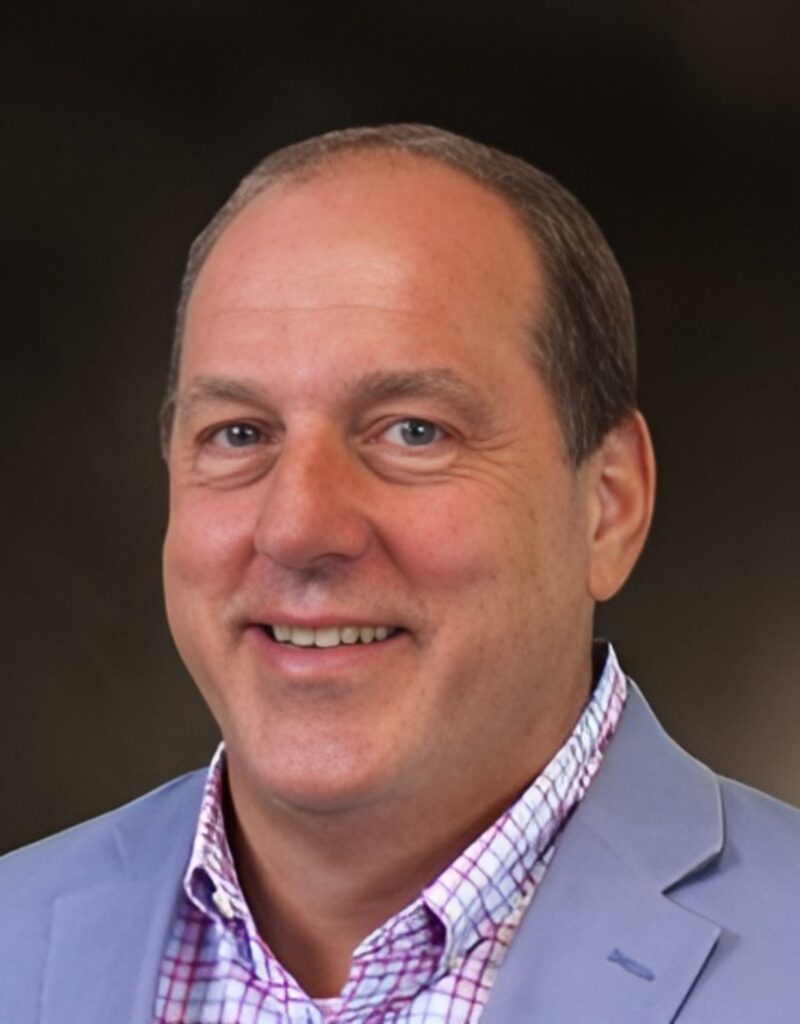
By Tony Bawidamann, President of the New Jersey Cable Association
Across New Jersey, families are having the same conversations at their kitchen tables: how to make ends meet with the rising costs of groceries, housing, energy, and transportation. The cost of living continues to rise—and for many, it feels like there’s little relief in sight.
One essential service that is often overlooked in these conversations is broadband. Today, a reliable internet connection is not a luxury, it is a necessity woven into nearly every aspect of daily life.
Here in the Garden State, it’s how we keep growing, literally, from technologies used in the field for food production to tools used by businesses and classrooms to innovate and collaborate. It’s how New Jersey residents attend telehealth appointments, apply for jobs, build resumes, and stay connected to critical services.
In short, broadband is the lifeline that connects families to economic opportunity, education, and healthcare—and like everything else, its affordability matters.
The good news is that broadband has quietly bucked inflation for years. While prices for most household necessities have risen sharply, broadband has followed a very different trajectory. Federal data show that internet prices have remained relatively stable despite overall inflation skyrocketing over the past decade—including prices for food and groceries, electricity, and water. In fact, broadband has been one of the few essential services that has helped ease pressure on household budgets, with broadband prices declining by about 8% last year.
At the same time, consumers are getting dramatically more value for what they pay. Average internet speeds have increased roughly ninefold over the past decade, while adoption has grown to more than eight in ten households nationwide. The price per megabyte has declined by 98% since 2000, and the typical household only spends about 1% of its income on home broadband—well below the Federal Communications Commission’s 2% affordability benchmark.
Recent analysis of FCC data reinforces this trend. As broadband prices decreased last year, more households upgraded to faster service, getting higher-speed plans at significantly reduced costs. In many cases, plans offering 100 Mbps speeds now cost around $30 per month, compared to roughly $70 just five years ago. Faster speeds. Lower prices. Better value.
Still, affordability challenges are real for many families—and the data is clear about where the focus should be. Roughly 95% of households can afford current broadband offerings under the FCC’s benchmark. The remaining challenges are concentrated among the lowest-income households, underscoring the importance of targeted solutions that connect those who need help most.
Here in New Jersey, leading providers like Xfinity, Optimum, and Spectrum Communications have taken meaningful action with targeted initiatives to help bridge the affordability gap with low-cost broadband options typically priced between $15 and $30 per month for eligible households. Most of these programs offer additional support, such as discounted equipment and digital literacy resources. They are designed to meet families where they are and ensure that everyone can participate in today’s digital economy.
As an industry, we are also committed to working with state and federal leaders to ensure that every New Jersey resident can access affordable, reliable, and secure broadband.
The Broadband Equity, Access, and Deployment (BEAD) program is the largest federal broadband investment program in U.S. history, designed to connect Americans that currently lack high-speed internet. Through this once-in-a-generation public-private partnership, providers like Comcast are working with federal and state authorities to connect communities to affordable broadband, including those here in New Jersey.
In today’s world, being connected is not optional—it is foundational—and we’re proud to deliver affordable internet and offer more digital opportunity for New Jersey residents.