
New Jersey’s Bag Ban Is Increasing Plastic Use, Not Reducing It (Sponsored Content)
Grocery stores offer shoppers hundreds of choices: cart or basket, name-brand or generic cereal, organic or conventional produce, even regular or cage-free eggs.
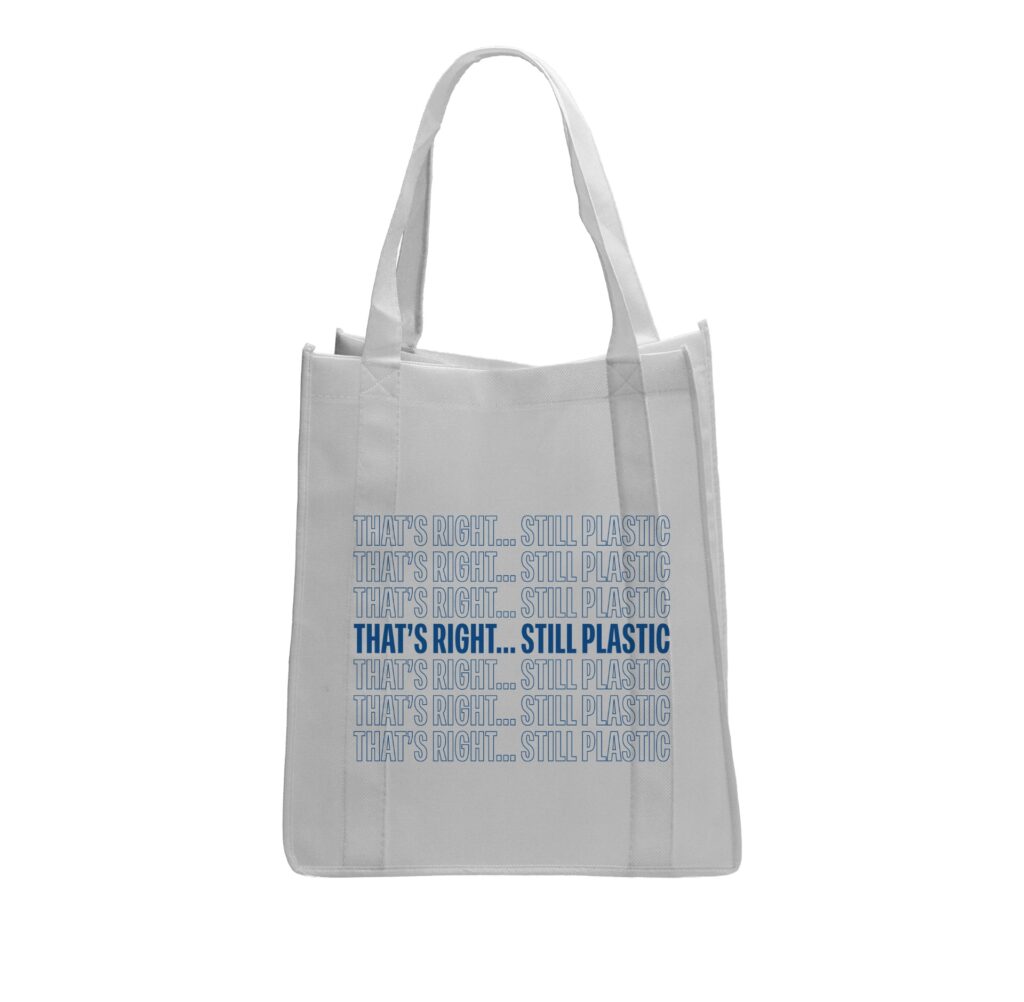
But at checkout lines in New Jersey, shoppers have fewer choices. After New Jersey’s bag ban took effect in 2022, stores largely shifted to thick, so-called “reusable” plastic bags in place of traditional plastic film and paper bags. While the policy may have been well-intentioned, it has produced the opposite effect: more plastic entering the waste stream and higher costs for shoppers already struggling with rising prices.
Supporters of the bag ban argued the new bags would reduce waste and improve environmental outcomes. But in practice, the replacement bags are thicker plastic products that require far more material and energy to manufacture.
A 2024 study found that while fewer bags are used overall, total plastic consumption tripled as shoppers shifted to thicker reusable bags. These bags require more than 15 times the plastic to make as traditional plastic film bags and generate more than five times the greenhouse gas emissions during manufacturing.
Just as importantly, these bags cannot be recycled. On average, New Jersey shoppers reuse them only two to three times before they end up in a landfill. Most readers can probably remember a time when they forgot to bring their “reusable” bags to the grocery store and had to buy more.
The New York Times even highlighted how these bulky totes are piling up in homes, closets, and backseats, often tossed after only a few uses. One shopper in Roxbury had 46 bags sitting in her garage. Another had 101—so many that he considered sewing them into blackout curtains for his baby’s bedroom.
These thicker bags also cost more than the bags they replaced, creating an added expense for shoppers at checkout.
That matters at a time when affordability remains a top concern for New Jersey voters. A poll released before last year’s gubernatorial election found that “cost of living” was unanimously voters’ top concern. A separate poll conducted in April found that 59 percent of New Jerseyans are struggling to afford groceries and other basic food costs.
As a representative of the American Recyclable Plastic Bag Alliance, we’re working to raise awareness of the unintended consequences of New Jersey’s bag ban. In the coming weeks, we will be delivering examples of these thicker “reusable” bags directly to state lawmakers so they can see firsthand how much plastic the policy is driving into everyday use.
Visit BenTheBag.com to learn more about this effort.
This debate is not about turning back the clock. It’s about getting the policy right.
Governor Sherrill and lawmakers should revisit the state’s bag law and consider approaches that reduce waste without increasing total plastic consumption or adding costs for consumers already struggling with affordability.
Shoppers deserve practical, affordable options at checkout—and environmental policies should deliver the results they promise.
Erin Hass is a Director at the American Recyclable Plastic Bag Alliance (ARPBA).