
Attorney General Davenport Opposes CFPB Strategic Plan to Gut Agency and Strip its Fraud-Fighting Tools
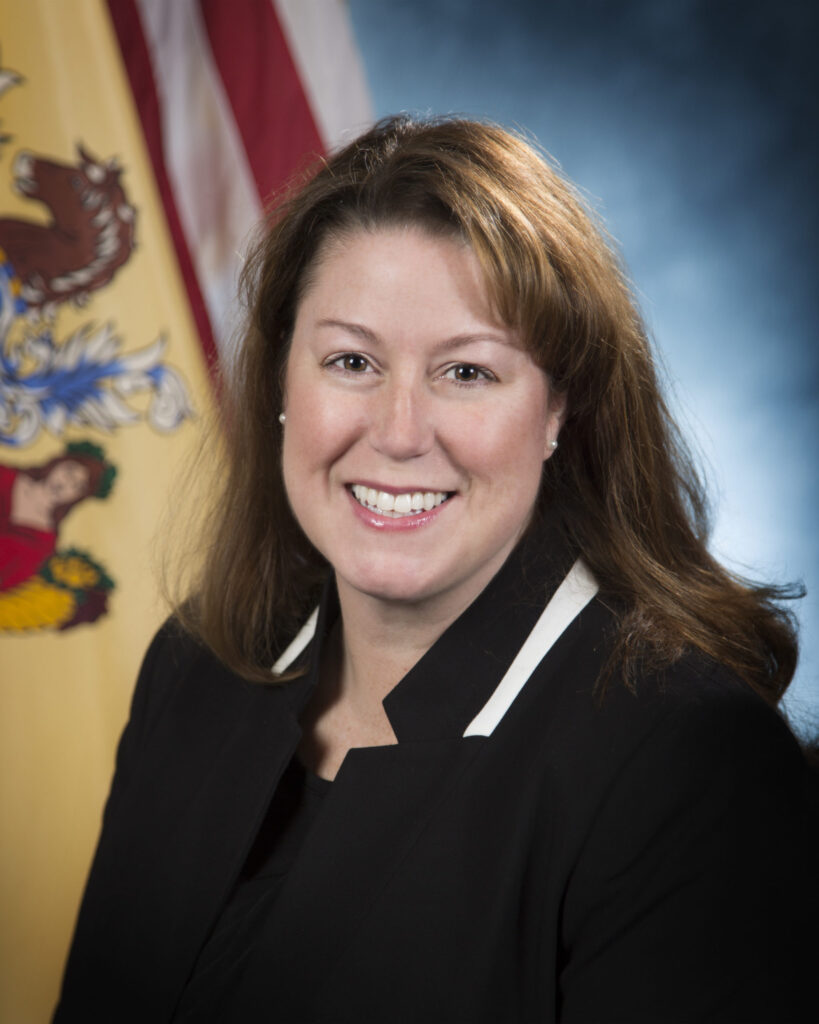
| Attorney General Davenport Opposes CFPB Strategic Plan to Gut Agency and Strip its Fraud-Fighting Tools
Multistate AG Coalition Sounds Alarm as Scams Continue to Hurt Consumers TRENTON – Attorney General Jennifer Davenport and 23 attorneys general sent a letter opposing the Consumer Financial Protection Bureau’s (CFPB) draft Strategic Plan, which would severely reduce staffing, undercut the agency’s mandated duty by law to supervise financial institutions, undermine enforcement, and leave defrauded consumers with a near-toothless financial watchdog. In the past 12 months, 40% of U.S. adults have experienced some sort of financial fraud or scam. Writing to CFPB Acting Director Russell Vought, the attorneys general explain that it is essential that the CFPB ─ as the nation’s only federal agency charged with financial consumer protection as its exclusive mission ─ maintain a robust supervision program to protect consumers and the financial marketplace. “Instead of trying to drive down costs and make life more affordable, the CFPB under President Trump has rolled back critical financial protections that were on track to save consumers billions of dollars. Now, at the height of a national affordability crisis, the CFPB is signaling its plan to decimate its tools to police financial institutions and prevent fraudsters from stealing consumers’ hard-earned dollars,” said Attorney General Davenport. “The Trump Administration has caused prices to skyrocket and paved the way for scams to escalate, and we will not sit idly by when hard-working New Jerseyans are victimized by corporate wrongdoers.” In the wake of the 2008 financial crisis, Congress recognized the need for an effective single regulator to police consumer financial products and services and created the CFPB. Since its creation, the CFPB has returned over $21 billion to consumers. The Trump Administration, however, has tried to fire nearly all CFPB staff, dropped 22 enforcement actions, and rolled back 23 consent orders, forgoing billions of dollars of relief for consumers. Attorney General Davenport, along with the attorneys general of New York, Oregon, Colorado, and California, is co-leading a lawsuit to prevent the Administration from defunding the CFPB. Currently, the CFPB is attempting to decimate a team of 72 supervision staff in the Office of Supervision Policy and Operations by reducing the team to a single person, making it impossible to supervise a multi-trillion-dollar financial marketplace. Under the proposed Strategic Plan, such staggering workforce reductions would continue. Allowing the CFPB to self-destruct is also harmful for financial institutions. Attorney General Davenport and the coalition also highlight how the CFPB’s role has significant benefits for financial institutions by promoting fair competition, educating industries about compliance, and providing confidential resolutions of legal violations. In their letter, Attorney General Davenport and the coalition describe how:
· The Strategic Plan’s proposal to “realign the organization” and “eliminate non-essential roles” will result in a dramatic reduction of the staff needed to perform the agency’s statutory obligations. · The Plan undermines the CFPB’s statutory requirement to supervise financial institutions. · The Plan’s goal of minimizing “duplicative enforcement” and introducing a deregulatory agenda will place a greater burden on states to enforce consumer protection laws by abandoning the long-standing state and CFPB partnership. · The CFPB’s 2025 actions, along with several of the Plan’s stated goals, have resulted and will continue to result in less relief for consumers, not more.
Joining Attorney General Davenport in sending the letter are the attorneys general of Arizona, California, Colorado, Connecticut, Delaware, the District of Columbia, Hawaii, Illinois, Maine, Maryland, Massachusetts, Michigan, Minnesota, Nevada, New Mexico, New York, North Carolina, Oregon, Vermont, Virginia, Washington, and Wisconsin. |